Then the heartbreak itself becomes confusing. If it was so bad for me, why does losing it hurt this much? Why do I miss someone who treated me badly?
Because you are not only missing the person. You are also facing the parts of yourself you gave up trying to keep them, the way their treatment made you question your worth, and the future you kept waiting for, the one that was supposed to make everything you endured worthwhile. When all three wounds surface at once, the end of an unhealthy relationship carries an extraordinary amount of pain.
Why is it harder to get over a toxic relationship than a healthy one?
A healthy relationship that ends leaves you with one loss: the person. You grieve them, and you grieve them as yourself. A toxic or unhealthy relationship ends differently. By the time it is over, the person is only one of the things you are missing. The other two losses were happening quietly while the relationship was still going, and the breakup is often the first moment you can see them.
That is why "they were not good for me, I should be over this by now" does not work. You are trying to heal several wounds as though they were one.
The first wound began before the relationship ended. When you are afraid someone might leave, you can gradually start changing yourself to make them stay. You ask for less. You tolerate more. You stay quiet about what hurts because you do not want another argument. You try to become easier to love: more understanding, less demanding, less affected, or at least better at hiding how affected you really are.
So much of your energy goes into reading the situation, repairing what keeps breaking, and waiting for things to improve. Little by little, keeping the relationship alive becomes more important than asking whether you still feel alive inside it.
When everything finally ends, the cost of those choices becomes visible. You have not only lost the other person. You are confronting the needs you silenced, the boundaries you abandoned and the parts of yourself you made smaller. This is what people mean when they say they lost themselves in a relationship. It creates a particular kind of heartbreak. It does not only say "I miss this person". It also says "I gave so much of myself to save this, and it ended anyway".
The breakup did not create all of that hurt. It revealed how much of yourself had already disappeared while you were still trying to hold everything together.
The second wound: why did they treat me that way? Watch this part · 2:24
Losing parts of yourself is not the only wound. The ending can also leave you searching for an explanation. You see the patience they can show other people. The attention they can give. The ease with which they appear to offer someone else what you spent so long asking for. And one question becomes painfully personal: why not with me?
Their behaviour starts to feel like evidence against you. Did I ask for too much? Was I too emotional? Not attractive enough, interesting enough, calm enough, lovable enough? Now you are no longer trying to understand what happened between you. You are questioning yourself: what was missing in me that made them treat me like that?
This can keep the wound open long after they are gone, because you are searching inside their actions for proof of your worth. But your value was never theirs to decide. The way they treated you tells you what happened in that relationship. It does not tell you what you were worth.
The third wound: everything you invested, and the ending you waited for Watch this part · 3:31
Even when you begin to understand that, another attachment can remain: the need for everything you gave to mean something. The time. The hope. The emotional energy. Every difficult conversation. Every second chance. Every time you told yourself that this time it would finally be different.
When you have fought that hard for something, accepting its end can feel like admitting that all your effort led nowhere. You were not only waiting for the relationship to improve. You needed that improvement to make everything you had endured feel worthwhile. You needed it to become good enough to justify what it had already cost you.
That is why letting go is so difficult. You are not only losing the person. You are giving up the ending you kept waiting for: the change, the understanding, the future that was supposed to make sense of everything. Without it, you are left with a painful thought: I went through all of that, and it still did not work.
But letting go does not mean that none of it mattered. It means that what it already cost you is enough. You do not have to keep paying for it after it is over.
Why do I still miss someone who treated me badly?
Because missing them is only part of what you feel. The depth of your heartbreak is not proof that this person was the greatest love of your life. It can hold the absence of the person, and three deeper wounds: the parts of yourself you abandoned trying to keep them, the answer you still want to "why wasn’t I treated differently", and the future that was supposed to make all your effort worth it.
Missing your ex years later, or even while you are in a healthier relationship, usually means one of those three is still open. Not that you should go back.
Grieving a toxic relationship: a better question Watch this part · 5:46
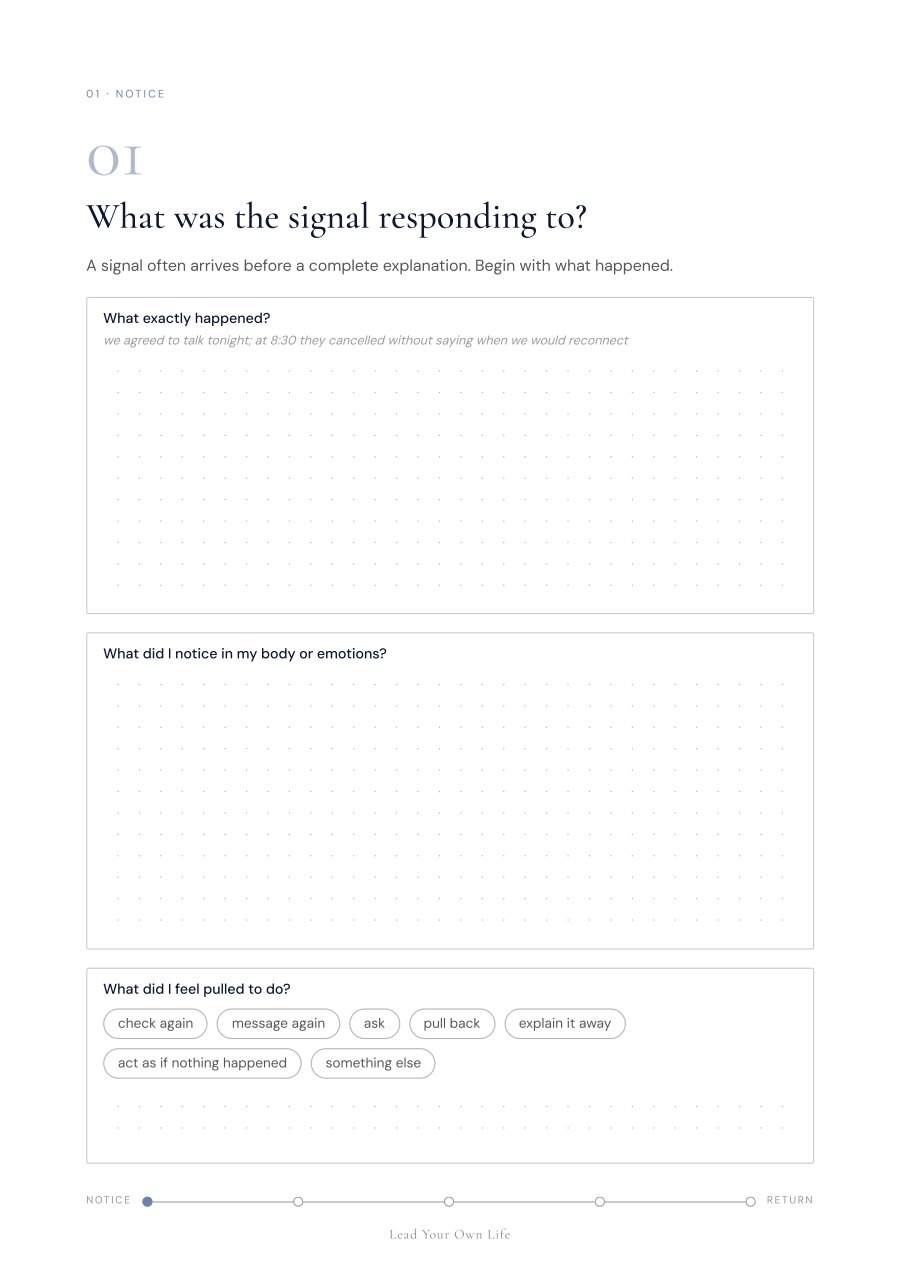
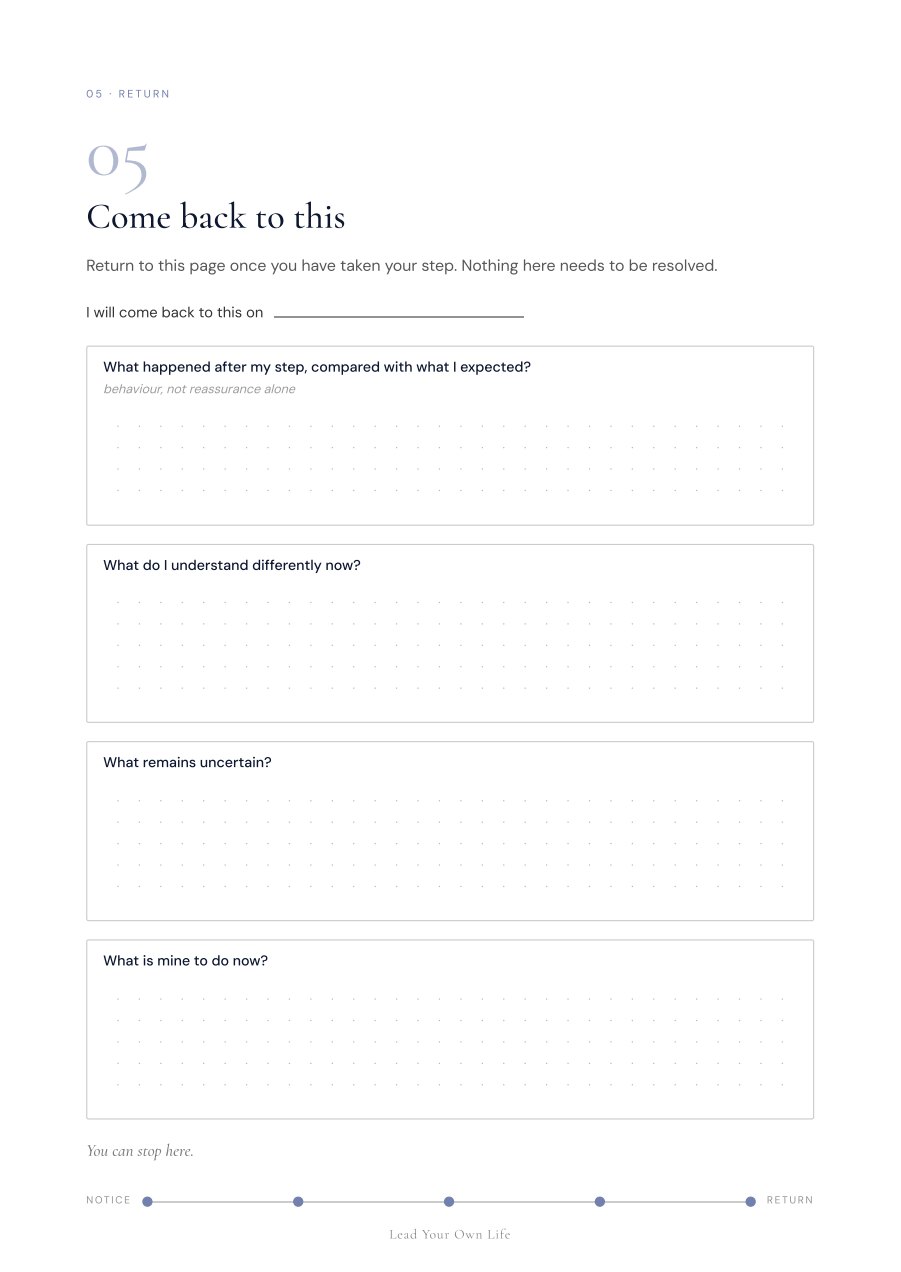
The question to ask instead of "why can’t I get over them", and what each of the three wounds is still trying to recover: that part is in the video, from 5:46. If you want to work through it on paper, the free guide Notice Your Inner Signal is a ten-page reflection for exactly this kind of moment.