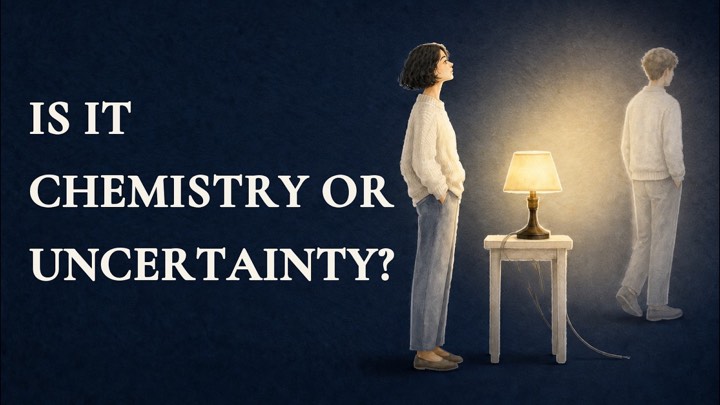
Because they occupy so much of your mind, you assume your feelings for them must be unusually deep. You call it chemistry. But what if some of that intensity is being created by the uncertainty itself?
This does not mean the attraction is imaginary, or that every powerful connection is unhealthy. It means two experiences that feel remarkably similar need to be told apart: being drawn towards someone, and being unable to resolve where you stand with them.
Why can’t I stop thinking about someone who sends mixed signals?
When someone’s intentions are clear, you do not have to analyse every interaction to understand the relationship. Their words and behaviour give you enough information. But when their attention changes without explanation, the situation becomes an unfinished question. Why did they pull away? Did I do something wrong? Do they still care? Will the warmth return?
Your mind keeps returning to what it has not been able to resolve. Every silence begins to feel significant. Every affectionate message appears to contain an answer. Every change becomes something to interpret. The person occupies more mental space, not necessarily because the connection has become deeper, but because the situation remains incomplete.
That is the first distinction: mental occupation is not always emotional depth. Sometimes you keep thinking about someone because the relationship has not given you enough clarity to stop searching for an explanation. Ordinary uncertainty is part of getting to know anyone. The problem begins when clarity never develops because warmth and distance keep replacing each other. At that point you may no longer be discovering the relationship. You may be repeatedly trying to solve it.
Why does hot and cold feel so intense?
Once uncertainty has captured your attention, inconsistency changes the emotional weight of every good moment. When care is dependable, affection feels reassuring. When affection follows a period of silence, distance or doubt, it can feel overwhelming.
The message finally arrives. They become attentive again. For a moment the tension disappears. That relief can feel like intimacy. But relief and emotional safety are not the same experience. Part of the high comes from the warmth itself. Another part comes from the sudden end of the discomfort that came before it. Distance makes the return feel more powerful. Confusion makes reassurance feel more valuable. The fear of losing the connection makes renewed attention feel like proof that it must matter.
The moment may be genuine. Its intensity has been enlarged by contrast. And this pattern does not require deliberate manipulation. Whether or not the other person intends to create ambiguity, the effect is the same: each return seems to answer the question, each withdrawal opens it again. You begin waiting for the next reassuring moment, not only because it feels good, but because you want it to settle what the relationship keeps leaving unclear. What feels like passion may partly be the repeated movement between tension and relief.
Is it chemistry or anxiety?
Once your attention has been captured and every return carries relief, the intensity begins to feel meaningful. Anticipation, excitement and anxiety all make you unusually alert. You check your phone more often. You feel a rush when their name appears. A brief period of closeness can change the tone of an entire day.
The reaction is real. But it does not arrive with an explanation. You are the one who gives it meaning. When you want the connection to become something more, you may read that intensity as evidence that the person is exceptional. You call the waiting desire. You call the relief closeness. You call the unpredictability a spark. The attraction itself may be genuine. Uncertainty may be turning up its volume.
This is why intensity alone cannot explain what you are experiencing. A secure connection does not have to feel dull; excitement and consistency can exist together. If the chemistry is rooted in genuine connection, clarity gives it room to deepen. If the intensity depends mainly on unpredictability, clarity may reveal how much of the spark was being generated by the uncertainty around it.
The question that tells them apart
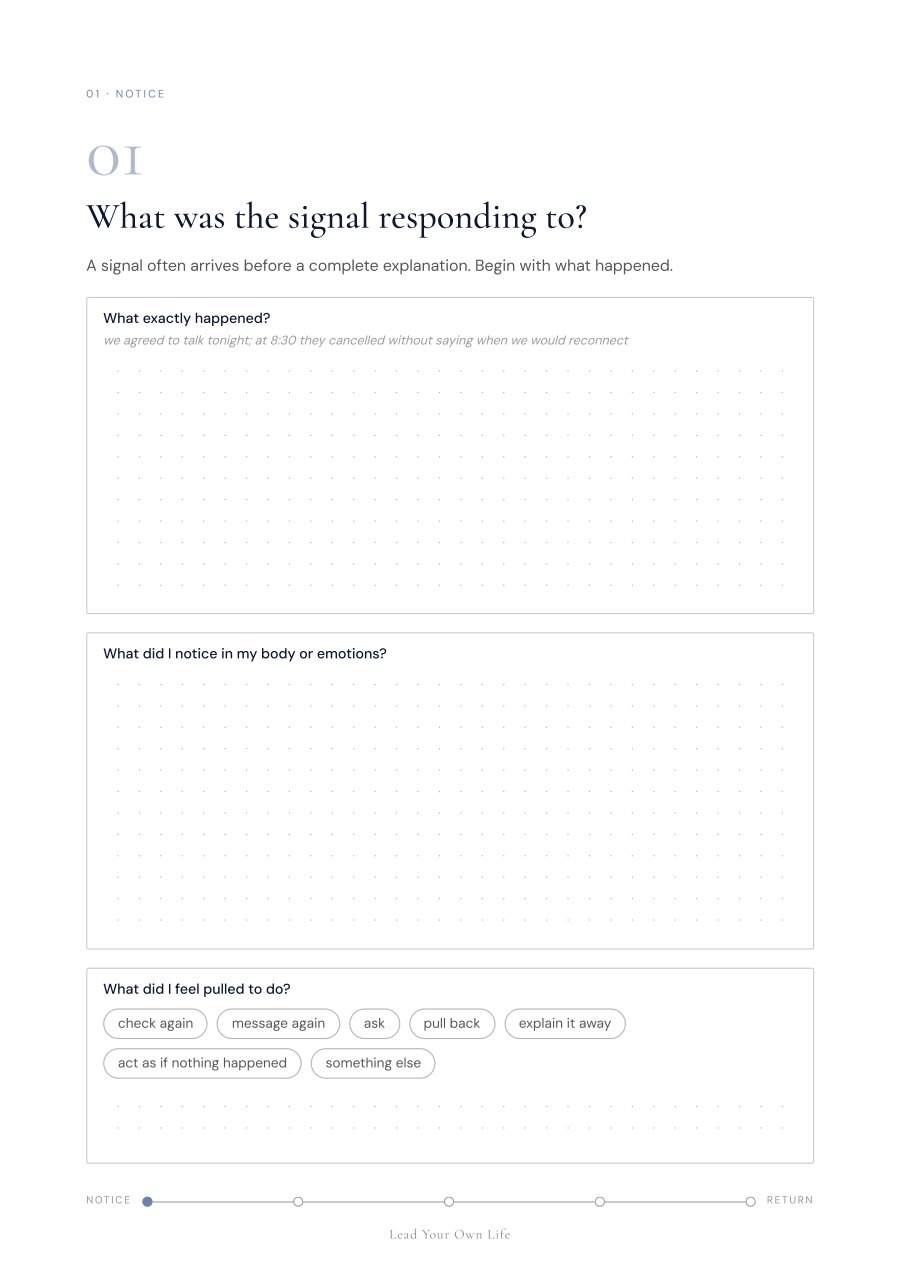
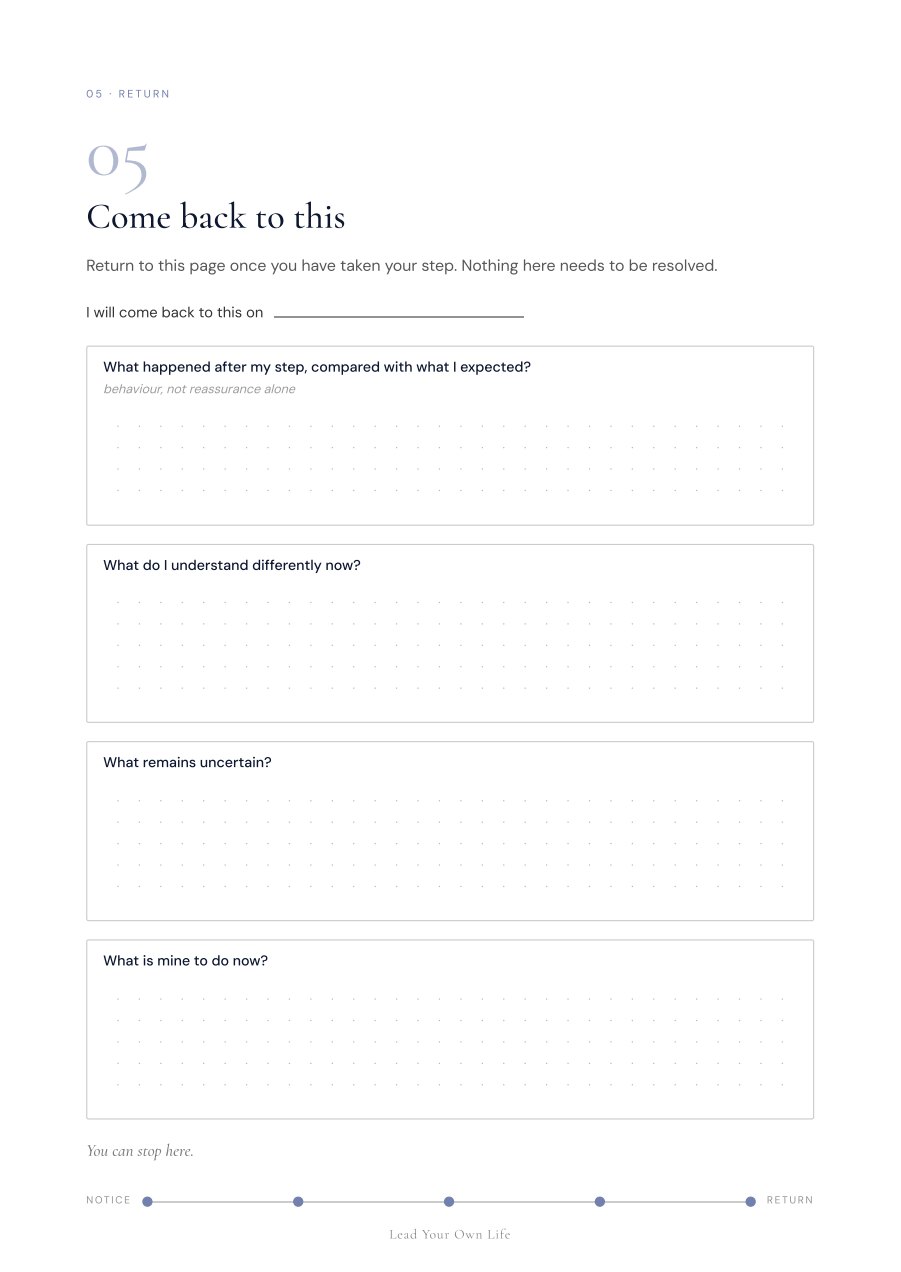
Instead of asking only how strongly you feel, ask what is making the feeling so strong. The questions to put to any intense connection, and what the answers reveal, are in the video. The free guide Notice Your Inner Signal helps you run them on one real moment.
Strong emotion is information. It is not a final verdict on the meaning or quality of a relationship. The question is not whether the spark is real. It is whether that spark is being sustained by connection, or by uncertainty.